
The Noise Is the Point
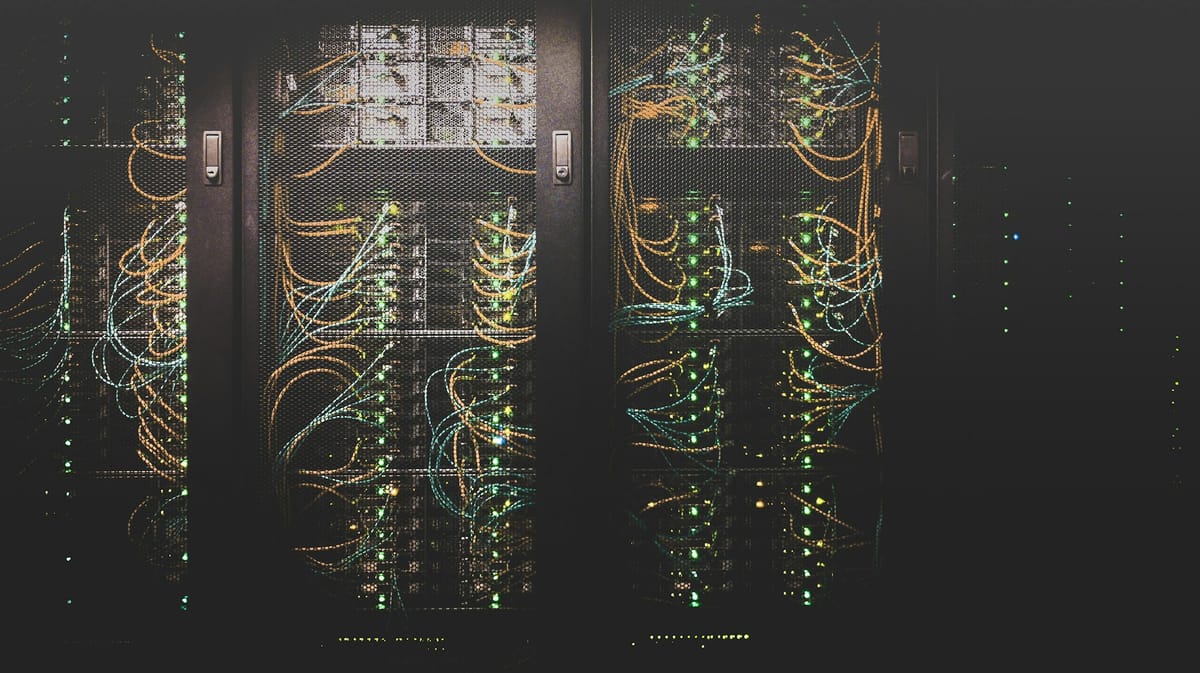
Four months ago I wrote about Texas leading the country on AI infrastructure. Then Greg Abbott paused data center approvals to audit energy usage. The reversal is real. What is driving it is worth examining carefully because I don't think it's as simple as it looks.
The Abbott pause landed on August 3 (Texas Tribune has the full story). By most expert readings, it is vague enough to be functionally limited, and Abbott was already announcing specific company exemptions within weeks. San Antonio Current called it election-year theater. I am not here to relitigate the politics. What I do want to name is what is fueling the sentiment behind it, because the opposition narrative is being manufactured at least in part. The Axios piece on Chinese agents seeding anti-data center social media content is not a conspiracy theory. It is documented. The rage in certain comment sections and local hearings is not entirely organic, and that matters when policymakers are responding to what looks like a groundswell.
The opposition arguments also do not hold up under scrutiny. Data centers use too much water: this has been addressed and debunked for most modern facilities, which recycle their water use and have even moved away from water-intensive cooling. Data centers drive up electricity rates: Marketplace reported in July that in many areas data centers have actually lowered rates by spreading fixed grid costs across a larger customer base and even subsidizing rates in areas. The noise problem is real in some proximity contexts, but data centers are not being proposed in neighborhoods. They are industrial facilities and can be sited accordingly, like every other kind of manufacturing. The Dwarkesh piece mixes some legitimate AI safety points about sandbox configurations with conclusions that range from dramatic to outright misleading. It is not journalism. It is entertainment of the worst source: the kind that dresses up like journalism so that it gets regurgitated by folks who don't look past the headline or know more about the underlying truth. And emotionally compelling content travels farther than accurate content, which is why narratives around data centers have moved faster than the facts.
Here's what frustrates me. We need this infrastructure. Compute access is not a luxury. It is the underlying condition for the next generation of businesses, the next wave of tools that will let small operators punch at a much larger weight, the thing that can genuinely move the economic needle for people who are not in the room where AI decisions get made right now. This is the fuel of capitalism that lifts people's economic means, and we're talking about inhibiting that. Restricting it because of a small and sometimes manufactured opposition is not a protection strategy. It is a head-in-the-sand strategy that will simply shift the build to other states and other countries while Texas debates. And it will likely leave behind a less fortunate group that could have leveraged the opportunity for a better life.