
What Happens When You Stop
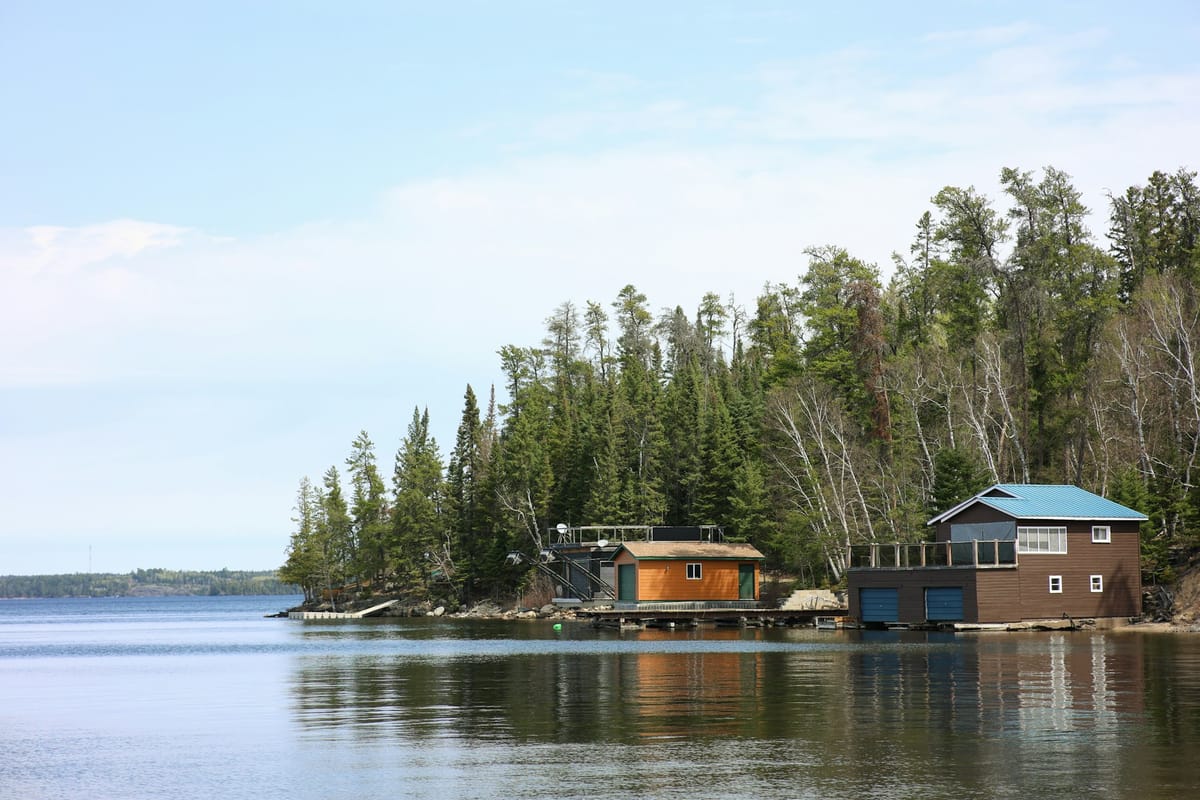
Four times a year, I go somewhere by myself and I don't come back until I've had enough quiet to actually think.
I block three days minimum. I leave the office behind. I don't call it a vacation because it isn't one. I call it a retreat because that's what it is: a deliberate withdrawal from the noise so something useful can surface. (I'm not the only one, by the way. Stacker CEO Noah Greenberg takes a silent three-day retreat every year.)
Most people I know have never done this. Most people I know are also operating at some level of perpetual low-grade overwhelm and can't figure out why their thinking feels shallow.
These two things are related.
Here's what I've noticed about busyness: it creates a very convincing illusion of progress...and everyone seems to constantly be "busy" (next time you ask someone how they're doing, notice how many people say "busy"). Calendar full, inbox pinging, back-to-back conversations; it all feels like doing. And some of it is. But the stuff that requires actual judgment, the hard questions about direction, the decisions you keep almost making, the things you know aren't right but haven't addressed; those don't get handled in the noise. They get deferred.
The retreat is where deferred things land.
The first day is always weird. There's a period of withdrawal from the pace. Your brain keeps reaching for the phone or the laptop, for the next task, for something to react to. I keep thinking of the other things that I could be focused on. If you let it settle, something shifts on day two. The thoughts you've been outrunning catch up. The clarity you've been hoping to find in the next book or the next conversation or the next planning session shows up when there's finally room for it.
I plan mine annually, but one per quarter. Not because I cracked some productivity code, but because I found that four months without one is long enough to lose the thread. Long enough to forget what matters versus what's urgent. Long enough to stop being the author of your own direction and start just responding to everyone else's.
The thing nobody tells you is that the hardest part isn't the time. Most people can find three days if they decide it matters and plan for it. The hardest part is deciding it matters before you feel like you deserve a break (or feeling like you "deserve" anything, if I'm honest).
You don't wait until you're depleted to eat. Solitude as a leadership practice works the same way. It's not recovery from the work. It's part of the work.
The question is whether it's on your calendar before someone else fills that slot. Because it will get filled. Something always will.