
Anxiety Is a Supermarket Aisle
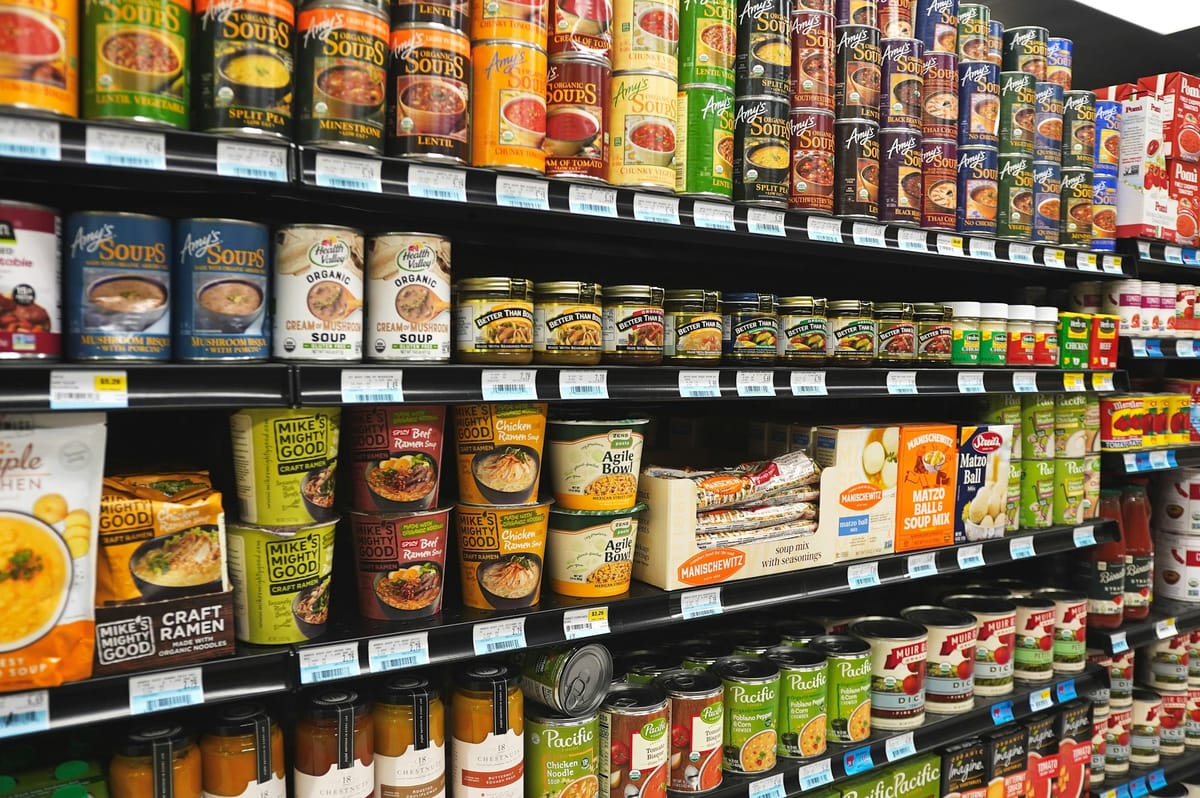
Anxiety is not the same thing as fear, and much of the AI hesitation I see is anxiety about too many choices, not fear of the technology.
A soldier in the cereal aisle
Late in The Hurt Locker, a soldier home from Iraq stands in a grocery store staring at a wall of cereal boxes. He survived bombs. What breaks his face is the choice.
That scene came to mind when I saw a recent Free Press conversation between Coleman Hughes and Mark Manson, which is framed around anxiety as the problem of our age and why war can feel simpler than a supermarket aisle. FYI: The full conversation is behind a paywall.
The distinction I haven't been able to shake is that fear and anxiety aren't the same thing. Fear has one object. There's a lion, or an emergency, or a hospital to get to, and you move. Anxiety is a pile of imagined outcomes with no clear answer, and the cost of holding them all at once is that you stall. The more paths in front of you, the more you grieve the ones you didn't take (and many of us are exceedingly good at reruns of those untaken paths, ad nauseam).
What I see in AI conversations
I think that's exactly what's happening in the AI conversations I'm close to. (Our teams work inside client environments, and the room is rarely short on options: every vendor, every agent framework, every pilot someone built over a weekend.) The overabundance of choices is the very reason so many people aren't moving forward with their own AI adoption. "Where do I start?" is met with a myriad of options, and somebody has to pick one. Nobody is afraid of the technology. They're anxious because there are dozens of live decisions and none of them feels safe to make. So they do the safe thing, which is schedule another workshop or just stand still.
Choosing is a responsibility
My own view is that choosing is a responsibility, and most of us hand it off by collecting good excuses (my parents would be upset, nobody will hire me in this economy, it's "their" fault). I've watched leaders do the same with a roadmap. A fifteen-line priority list is an excuse in a nice font.
A leader's job here isn't to remove options. It's to collapse the number of live problems to the one that matters this quarter, and to say it out loud so people can finally move. Fear is clarifying. You can borrow some of that clarity without the lion.