
AI Economics: Pricing, Platforms, and the Capital Layer
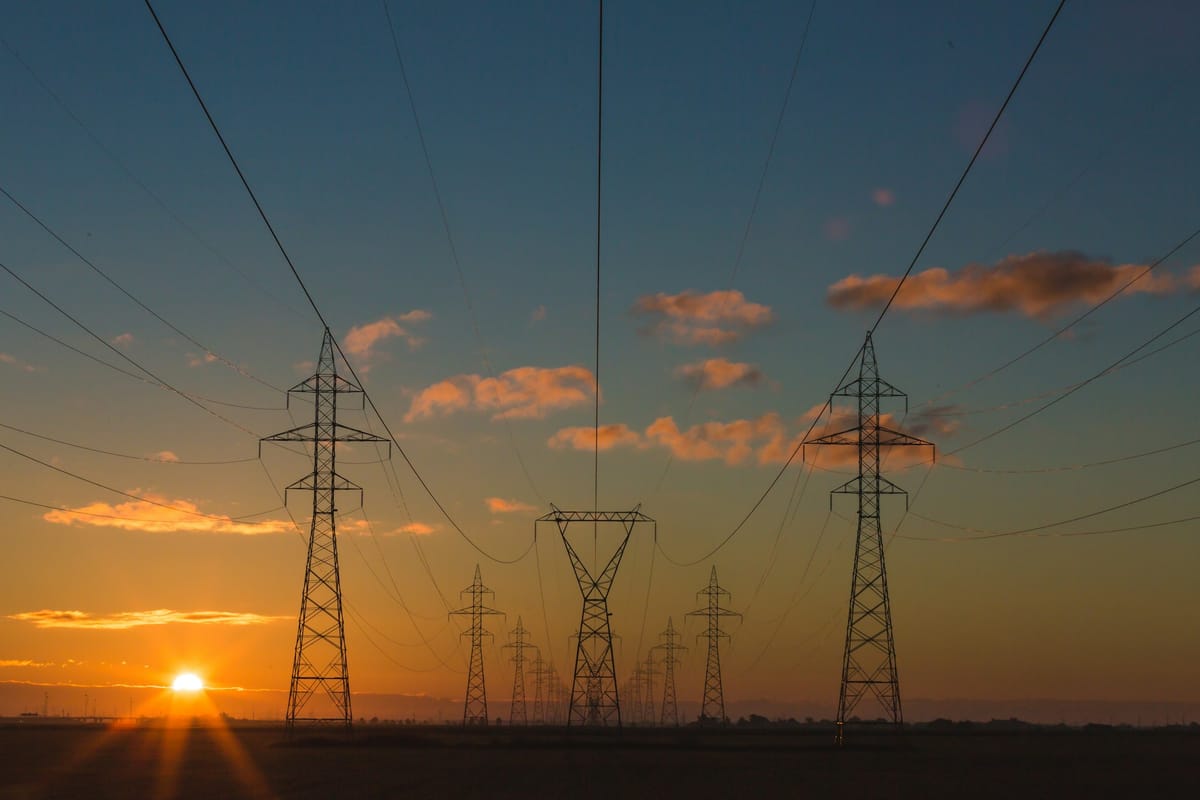
The AI conversation spends its time on models and misses what actually determines who wins: the economics. Pricing models are being redesigned under your feet, the platform war has already settled, and the physical layer, power, data centers, capital, is now the constraint that decides who ships. This page collects my running notes on AI economics, what it costs, how it is priced, where the money is flowing, and what the build-out means for the places watching it happen, including my own region.
Seat-based pricing is breaking
Your SaaS stack was priced for humans sitting in seats. Agents do not sit: your SaaS stack was priced for humans, and agents don't need seats, but they still cost money. The vendors who figure out consumption pricing for agentic work first will take the renewal cycle.
The platform war settled faster than expected
A year ago every enterprise was hedging across every model. That is over: the enterprise AI platform war is over, and the stack you chose last year just became the right answer. The interesting question is no longer which platform wins. It is what the settled market does to your negotiating position.
The bill meets the rate case
Your AI bill is now an energy question. The rate case decides your AI bill: data centers are showing up in utility dockets, and the outcome of those proceedings prices the next decade of compute. Add the macro picture, the bubble you are inside does not feel like one, the safe bet isn't safe anymore, and the gap between the winners and everyone else: the $200B gap.
The capital layer is the real story
While everyone watched model releases, the money moved into the physical layer. DFW is now #4, and the capital layer is the real story. Texas is building the other kind of AI economy, one measured in data centers and power plants: DFW's other AI economy, and the boom has a catch, the utilities are being told to make data centers pay their own way: the Texas AI boom has a catch, Texas said yes to AI, now it's writing the rules.
The talent market follows the money
DFW is now the AI talent market: DFW is now the AI talent market, the innovation economy is wider than the headlines: DFW's innovation economy, Fort Worth arrived as a tier-one AI city: Fort Worth, and the ecosystem shows up in person when 700 people attend an awards night: when 700 people show up.
Where the interface sits is a pricing question too
The economics move with the interface: the interface moved inside, and the pocket barrier to computing is disappearing: the pocket barrier is disappearing. Each shift changes who collects the toll.
What to do Monday
1. Audit your software spend on seat-priced contracts you expect to run agents under. Renegotiate before the renewal, not after.
2. Check whether your AI workloads sit in a utility territory with an open rate case. That docket prices your bill.
3. If you are in a build-out region like Texas, get your economic development and utility story straight before the next planning cycle.